Answers with evidence
Ask “how does a paywall frame its trial?” and get the screens, the flow they belong to, what components they use and the project each one came from.
find_ui_references
Ask how a paywall frames a trial; get the screens other products shipped, with the project and the source attached.
From $7.99/mo · 20% off · cancel in one click · Google or GitHub sign-in
In the library
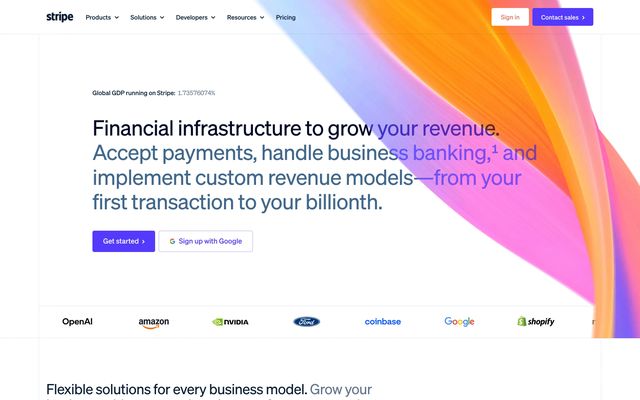
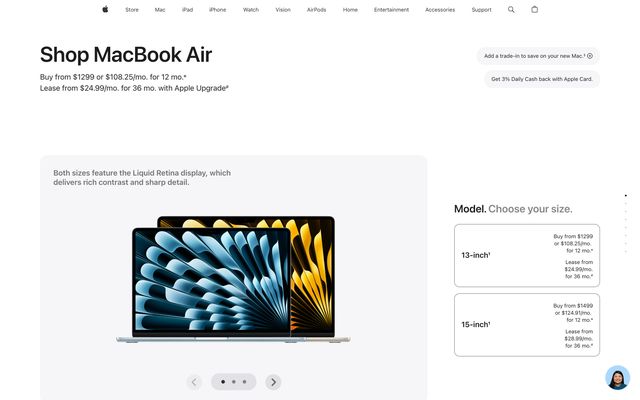
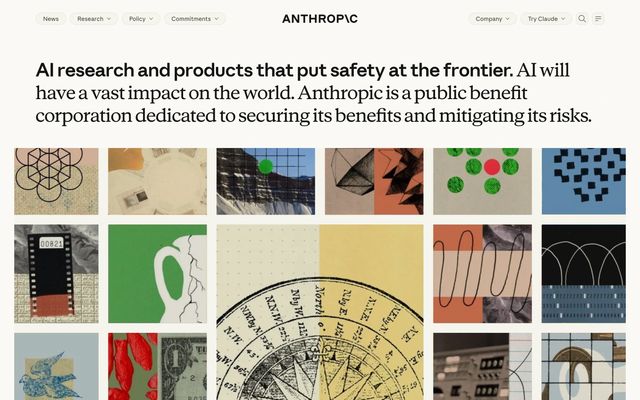
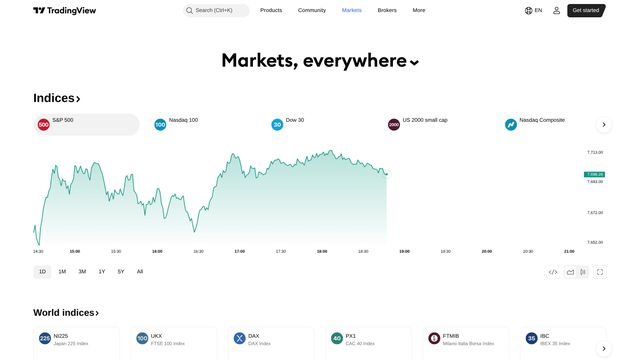
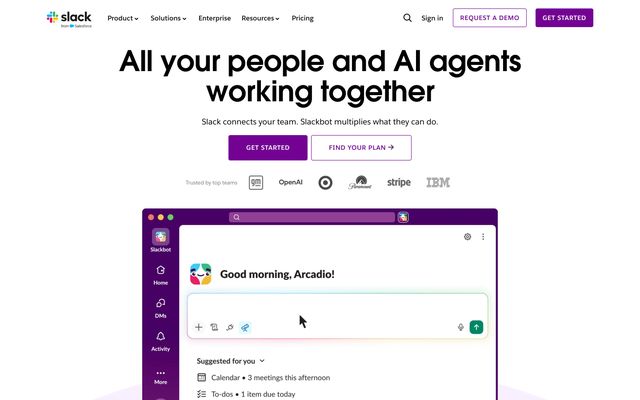
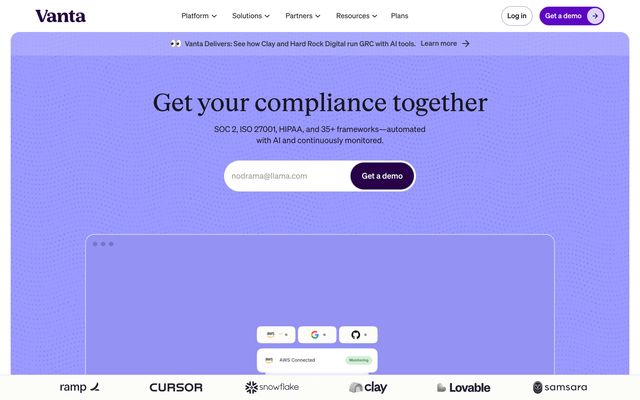
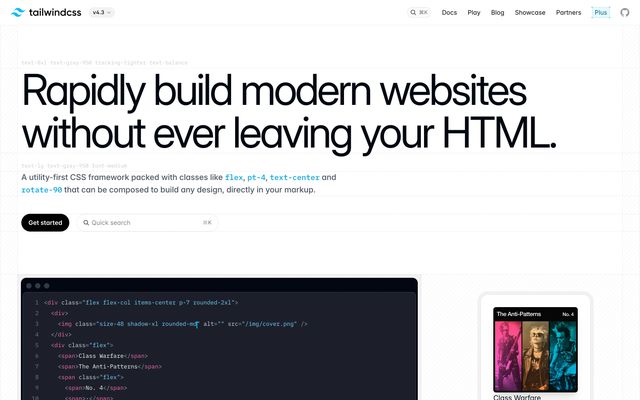
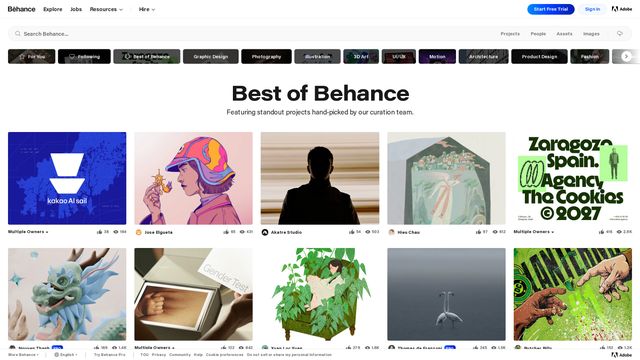
Screens captured from live products, each named after the product it came from and the day it was captured. The server returns the same provenance with every answer.
28 screens · 28 products
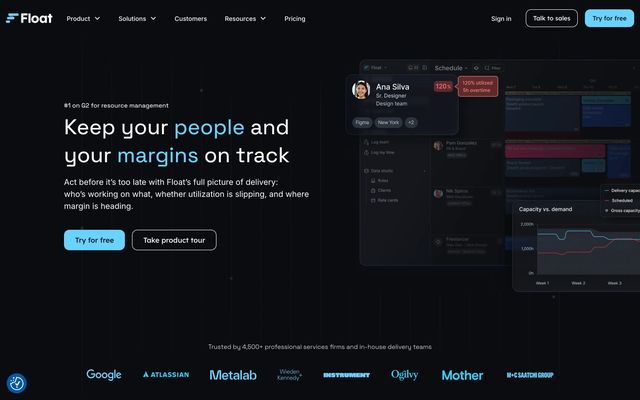
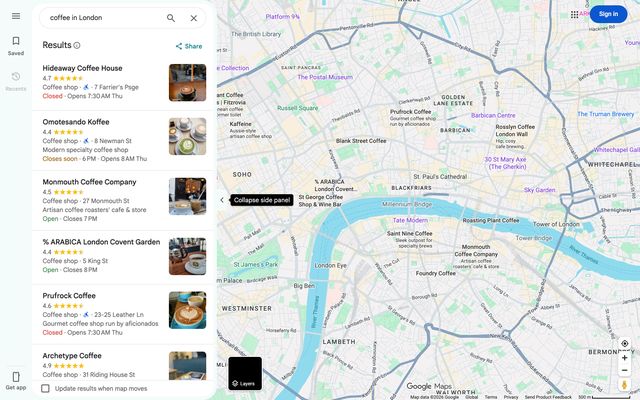
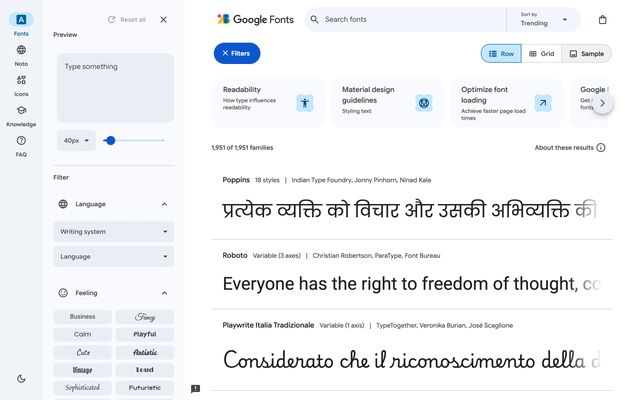
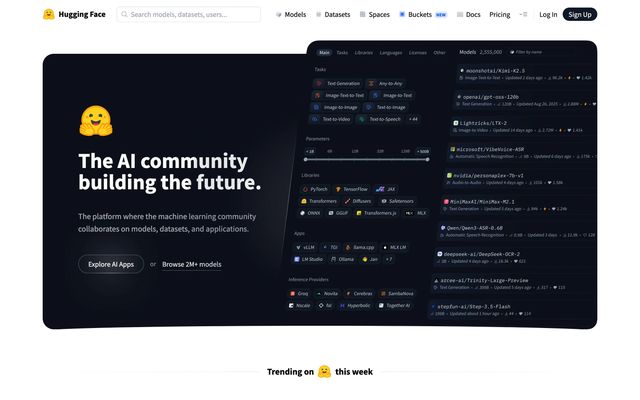


From $7.99/mo · cancel in one click · works with any MCP client
Every screen is a capture of a live product and remains that product's property. The server returns the source with every result.
Measured from the library this server serves, not projections. Ask the server for corpus_stats and it reports the same numbers.
An agent that improvises a paywall produces a paywall nobody has ever shipped. ThinkUI gives it something real to work from, and tells you what that something was.
Ask “how does a paywall frame its trial?” and get the screens, the flow they belong to, what components they use and the project each one came from.
Buttons, loaders, cards, forms, inputs, switches and tooltips. The first call returns ranked digests with size and licence; call again with the slug it gives you and the component's own markup and stylesheet come back.
Animated icons arrive as working SVG with the animation included, no JavaScript runtime, no icon font, nothing to install. Paste it and it animates.
The right typeface for a brief, an icon set that is still maintained, the design system a product like yours is built on, with the state of each project attached.
Ask find_ui_elements for a navigation bar and you get no result plus the categories that do exist. find_ui_references will return its nearest match instead - and show you why it matched, so you can discount it.
A hosted server your agent reaches over HTTPS. Add one block to its config and the tools appear in every conversation you have in that client.
Paste one block into your agent's MCP config. No keys to rotate daily, no build step, nothing installed into your project.
“Design the onboarding screen for a budgeting app.” The agent reaches for references instead of inventing them.
You get screens to follow, components to paste and assets to ship, with a trail back to where each came from.
ThinkUI runs as a hosted MCP server: your agent connects to one URL and sends your key in the request header. Add it to Claude Code, Claude Desktop, Cursor, VS Code, Windsurf, Zed or any framework with an MCP client. Nothing to install, nothing to keep running.
Your account key goes in one place. Everything else (tools, prompts, transport) is handled by the server.
Full quickstart{
"mcpServers": {
"thinkui": {
"url": "https://thinkui.xyz/mcp",
"headers": { "Authorization": "Bearer your-key" }
}
}
}
Pick the plan that fits the work. Monthly plans change or cancel from your account at any time, and lifetime is a single payment.
20% off Every plan is 20% off right now. The prices below are the sale prices, applied at checkout.
$7.99per monthwas $9.99
Everything the server does, for one project at a time.
$15.99per monthwas $19.99
For work you are shipping under a deadline.
$152oncewas $190
One payment; access for as long as the service runs.
Prices in USD. Compare plans in detail →
The Model Context Protocol is the standard way an AI coding agent connects to an outside tool. You add a server to your agent's config once, and its tools become available in every conversation you have in that client.
Any client that speaks MCP: Claude Code, Claude Desktop, Cursor, VS Code, Windsurf, Zed, and agent frameworks with an MCP client. The config block is the same everywhere.
No. Your agent sends ThinkUI a design question and gets an answer from ThinkUI's own reference library. Your code, files and repository are never sent, and the server cannot reach them.
find_ui_elements returns no component and lists the categories that do exist. find_ui_references returns its nearest match and shows why it matched, so a weak hit is visible as a weak hit instead of passing for an answer.
Components, icons and materials are MIT and yours to ship. Screenshots are mixed: 417 of 1,483 are permissively licensed and the rest are study-only, marked do not ship in the result that returns them. Every result names its source and its licence, so you can tell which is which before you use it.
From the billing portal in your account. Cancelling stops the next charge and your key keeps working until the end of the period you paid for. Partial periods are not refunded; if the server returns nothing useful in your first week, write to us and we refund that month.
Connect ThinkUI and give it something real to work from.
Starter is $7.99 a month, Pro $15.99, or $152 once for lifetime access — 20% off every plan.